

AboutConditionsTreatmentsPatientsTestimonialsContact and LocationEspañolNew patient registration
All rheumatic and inflammatory disorders · Non surgical care

Conditions we treat, and the ones we rule out.

We look after adults from 18 to 100 with musculoskeletal and autoimmune conditions that do not need surgery. Some patients arrive with a diagnosis already made. Many arrive with symptoms and no explanation yet. Both are welcome, and finding the answer is part of the job.

Fig. 01   Shade, not shelter. Most of our care keeps you moving.

The five we see most

01 to 05

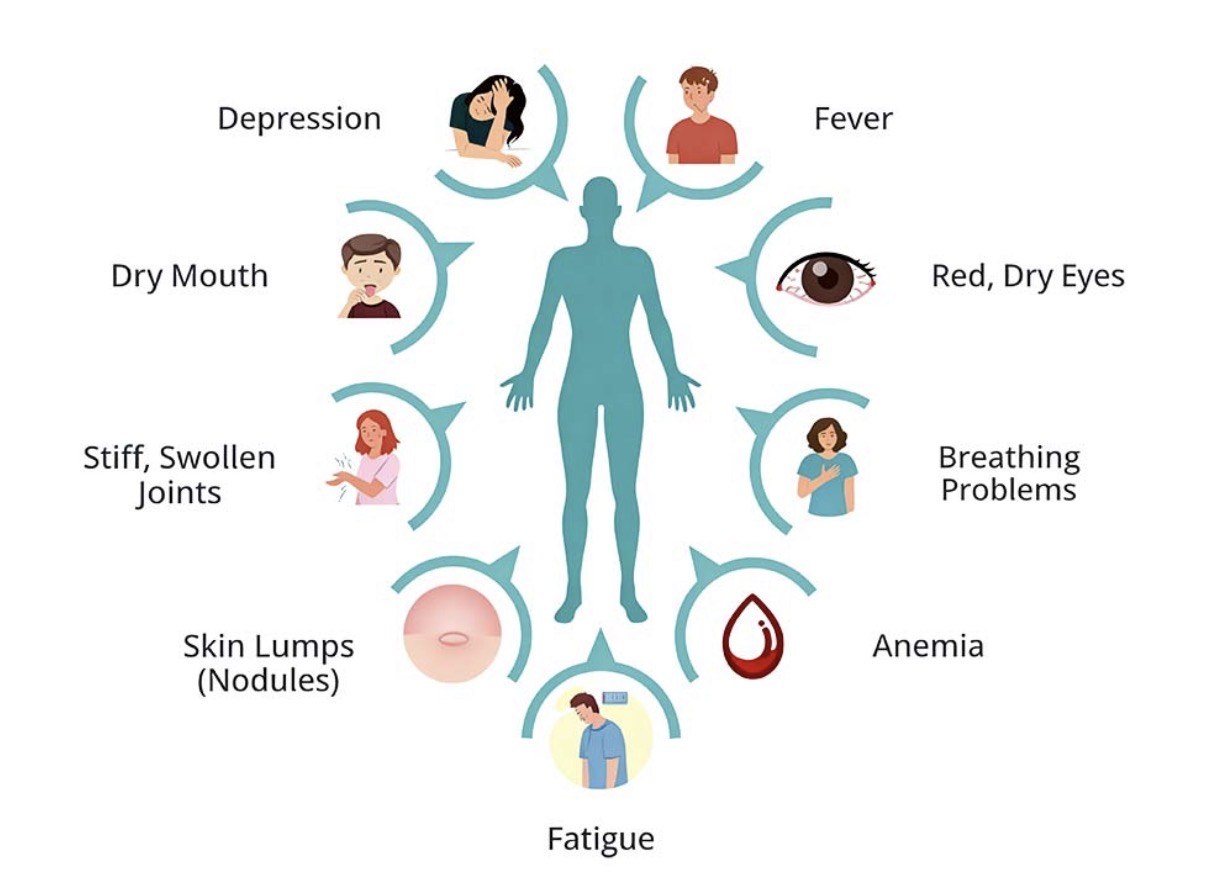
01Rheumatoid arthritis: infographic
Most common

Rheumatoid arthritis

An autoimmune disorder which primarily affects the wrists and hands and, if left untreated, is potentially crippling. It is a systemic disease with the potential for organ damage as well. Aggressive therapy is critical and most helpful when initiated early, so a rapid, accurate diagnosis is critical.

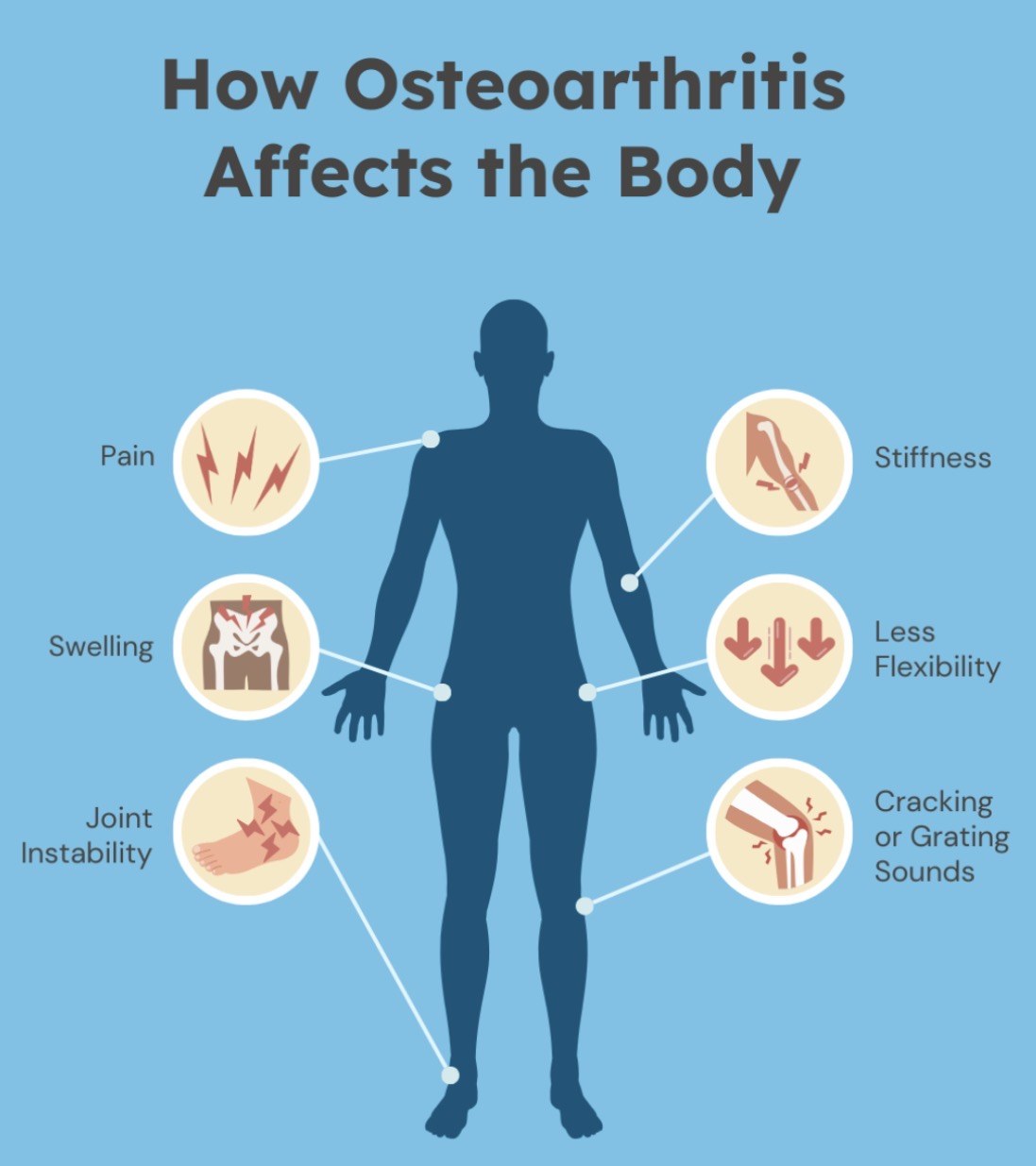
02Osteoarthritis: infographic
Most common

Osteoarthritis

This is a primary cartilage disorder which can affect the spine and virtually all other weight bearing joints or joints subject to repetitive movement. Although no ideal therapy exists beyond joint replacement, there are many treatment options to maintain or improve function and quality of life.

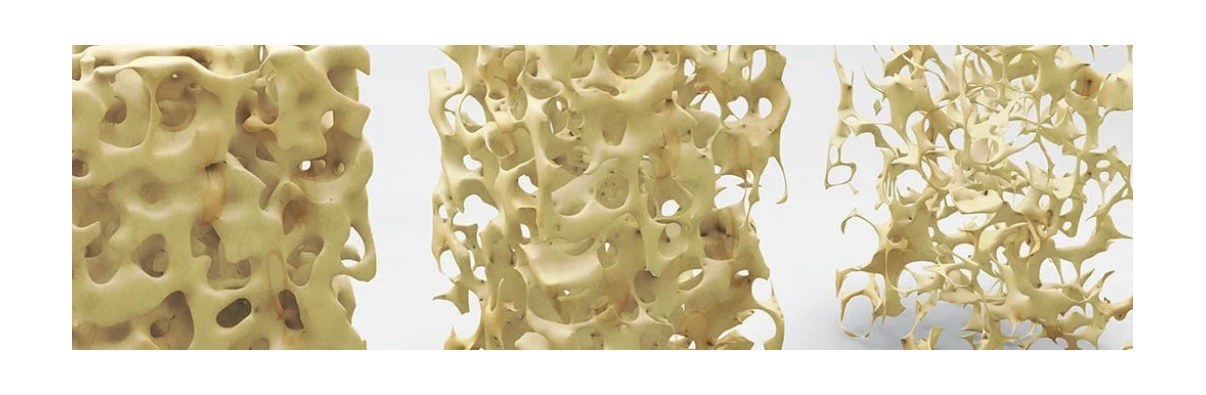
03Osteoporosis: infographic
Most common

Osteoporosis

As people age, bones weaken and become fragile. This is most commonly seen in postmenopausal women, but as men age their risk of fracture increases as well. There are many treatment options available, and a tailored approach is recommended for each patient.

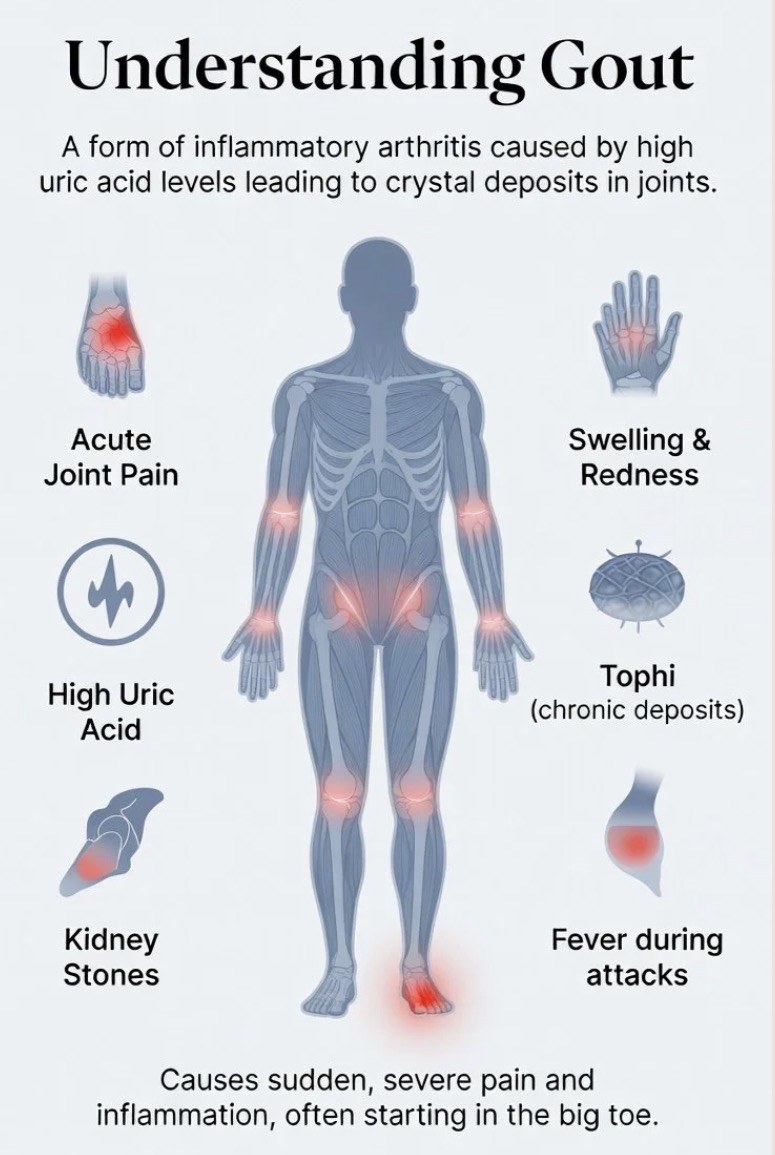
04Gout: infographic
Most common

Gout

This is the most common inflammatory disorder in adults and is often genetic, but commonly related to kidney function and its handling of uric acid. This painful and potentially crippling arthritis is noted in an acute and chronic form. Treatment must be tailored for the individual patient, and the vast majority secure disease remission.

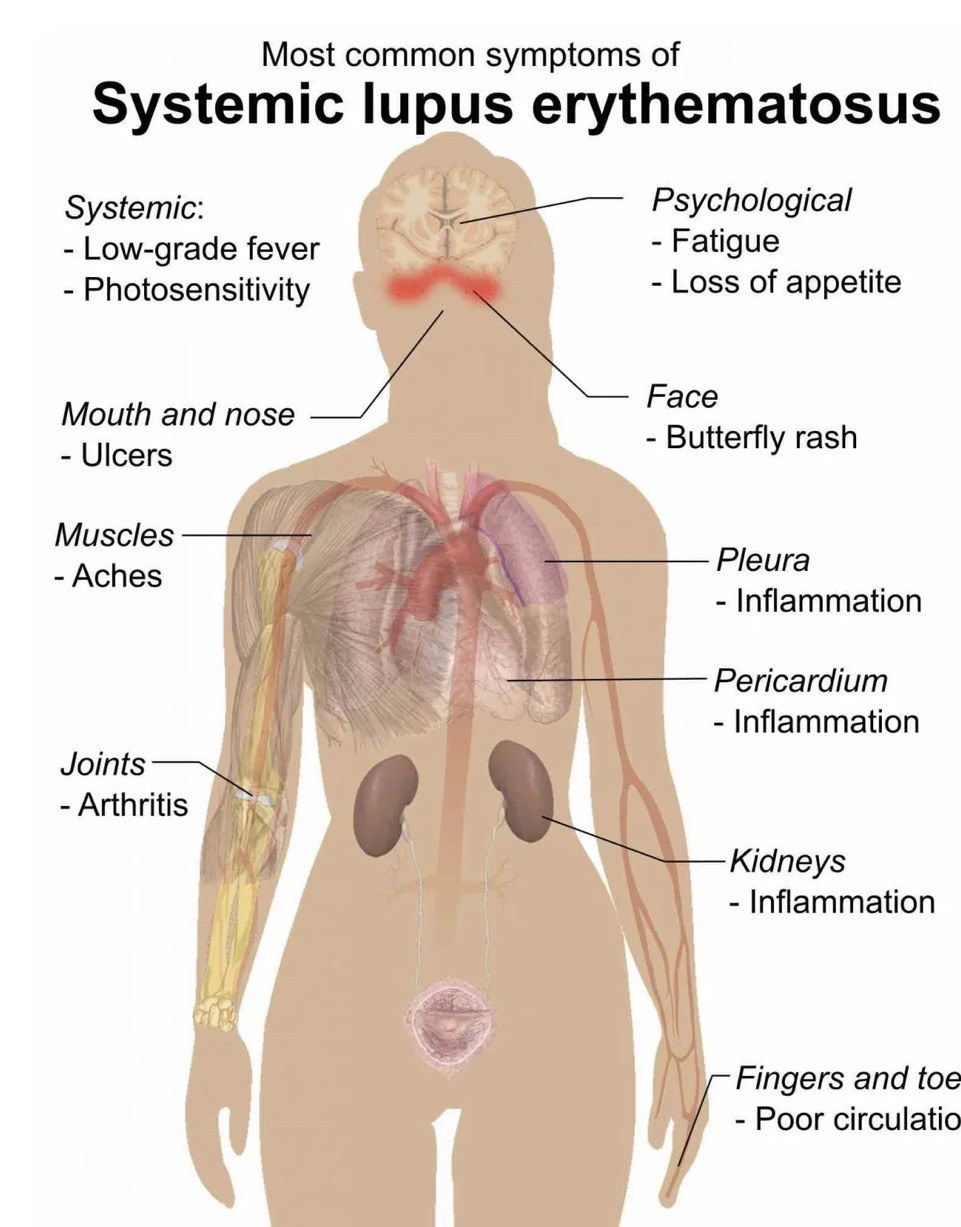
05Lupus: infographic
Specialist care

Lupus

This is a multisystem autoimmune disease that primarily affects young women of childbearing age. Patients warrant expert review and management to reduce the morbidity and mortality of this syndrome. With appropriate treatment, patients can secure a full and productive life.

26.06° N  80.27° W   ·   Cooper City

Not sure what it is yet? That is how most patients arrive.

Pain, swelling, stiffness or fatigue that will not settle is reason enough to come in. A referral is welcome but not required.

Request an appointment

Also treated here

Rheumatology covers more than a hundred conditions. These five are the ones we see most after the core group.

Illustration for Psoriatic arthritis

Psoriatic arthritis

Joint pain and swelling that travels with psoriasis, sometimes appearing years after the skin changes and occasionally before them. Fingers and toes can swell along their whole length, and the lower back can be involved. Treating it early protects the joints.
Illustration for Ankylosing spondylitis

Ankylosing spondylitis

Inflammation of the spine and the joints of the pelvis, often starting in early adulthood with back pain that is worse with rest and better with movement, the reverse of ordinary back pain. Exercise and modern medication both matter a great deal here.

Illustration for Vasculitis

Vasculitis

Inflammation of the blood vessels themselves, which can affect almost any part of the body and needs prompt specialist attention. Symptoms vary and can include rashes, fever, weight loss, fatigue, and in some forms new headaches or changes in vision.

Illustration for Scleroderma

Scleroderma

A condition that thickens and tightens the skin and can affect the blood vessels, joints and internal organs. Fingers that turn white or blue in the cold are often the earliest sign. Care is about protecting function and watching the organs that need watching.

Illustration for Fibromyalgia

Fibromyalgia

Widespread pain, exhaustion that sleep does not fix, and difficulty concentrating. It is real, it is common, and it is often diagnosed only after other conditions have been ruled out. Treatment combines medication, sleep, graded exercise and time, and it does improve.

Not on the list?

If your condition is not listed, call anyway.

If we are not the right people for it, we will tell you who is. That conversation costs nothing and usually takes five minutes.